Azerbaijan
Baku
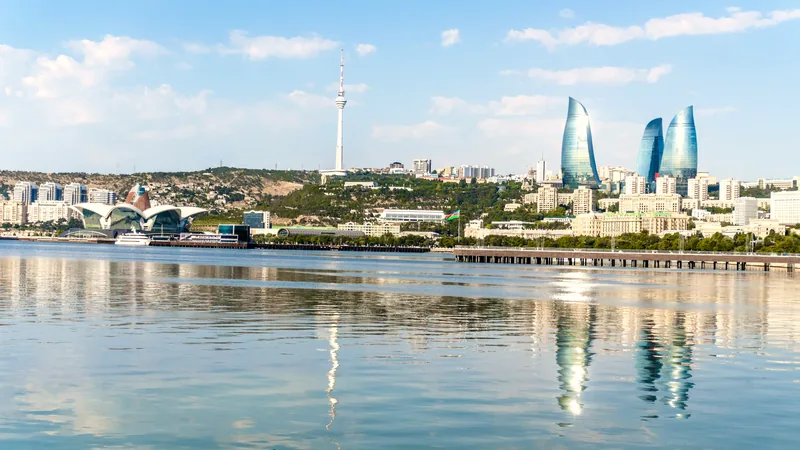
Three cities share one skyline in Baku: a walled medieval trading post, a boulevard of oil-boom mansions, and a waterfront of glass and flame. Few places let you walk between centuries this quickly.
A short history
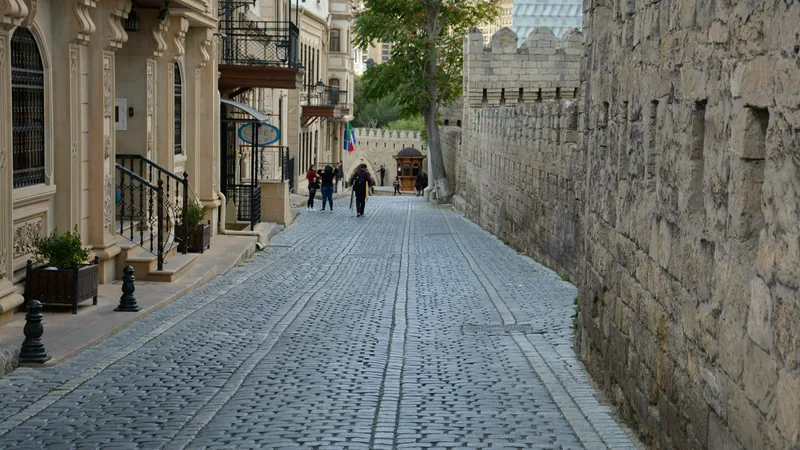
Baku's Old City, Icherisheher, dates to the 12th century and sits inside walls that once protected a Silk Road trading post between Persia and the Caucasus. Its second transformation came a century ago, when Baku became the centre of the world's first great oil boom — by 1901 it produced more than half the world's oil, and the Art Nouveau mansions those barons built still line the centre. Since independence in 1991 a third Baku has appeared: the Flame Towers and the waterfront boulevard that made it an F1 and Eurovision host.
Why travellers love it
It is a rare mix: a genuinely medieval old town and an ultra-modern skyline within the same walk, plus a currency that stretches noticeably further than most of Europe. Short flights from much of the Middle East and Central Asia make it an easy long weekend rather than a big expedition.
Before you go
Azerbaijan offers an e-visa or visa on arrival to many nationalities, and visa-free entry to some — check what applies to your passport before booking, since the rules differ a lot by country. Baku is walkable in the centre; the metro is cheap and simple for everything else.
Highlights
- Icherisheher old town
- Flame Towers after dark
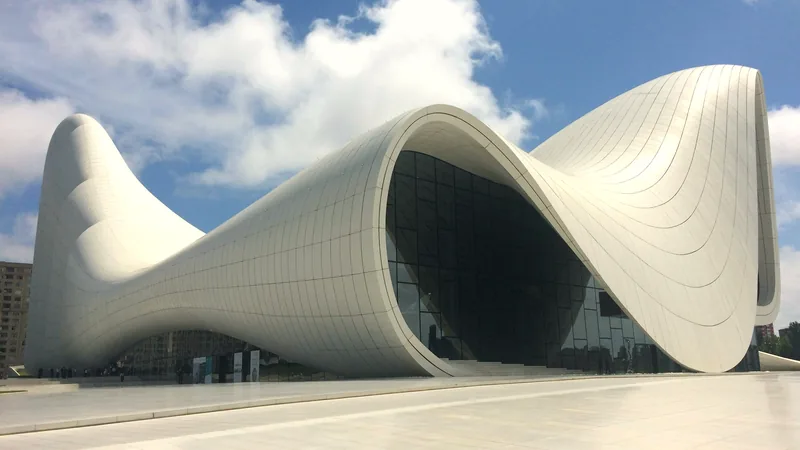
- Heydar Aliyev Center
- Gobustan mud volcanoes
Complete your trip
Two things worth sorting before you fly.
- Mobile data in AzerbaijanAn eSIM you set up before you fly, so you are online the moment you land. Via Airalo.(opens in a new tab)
- Things to do in BakuTours, attraction tickets and airport transfers, booked ahead. Via Klook, in English.(opens in a new tab)
Partner links: we may earn a commission, at no extra cost to you. Affiliate Disclosure
Flights to Baku
Read next
Tbilisi, Georgia
Tbilisi is built around warm springs — the name comes from the Old Georgian word for "warm" — and it has been rebuilt around them for fifteen centuries. Persian balconies, Orthodox domes and Soviet concrete stand within one view.