Iceland
Reykjavik
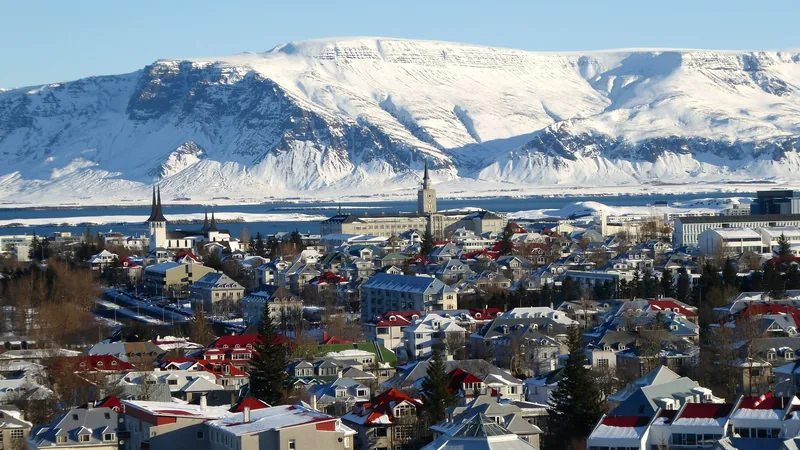
Iceland was one of the last large landmasses on earth that people settled, and it still feels like it. The landscape is the entire reason to come, and the capital is mostly a base for reaching it.
A short history
Norse settlers arrived around 874 CE according to the medieval Book of Settlements. The parliament they founded in 930 at Þingvellir — the Althing — is among the oldest surviving parliamentary institutions anywhere, and it met in the open air at a site that happens to sit directly on the rift between the North American and Eurasian plates. You can walk between the two, which is a strange thing to be able to say about a parliament.
Why travellers love it
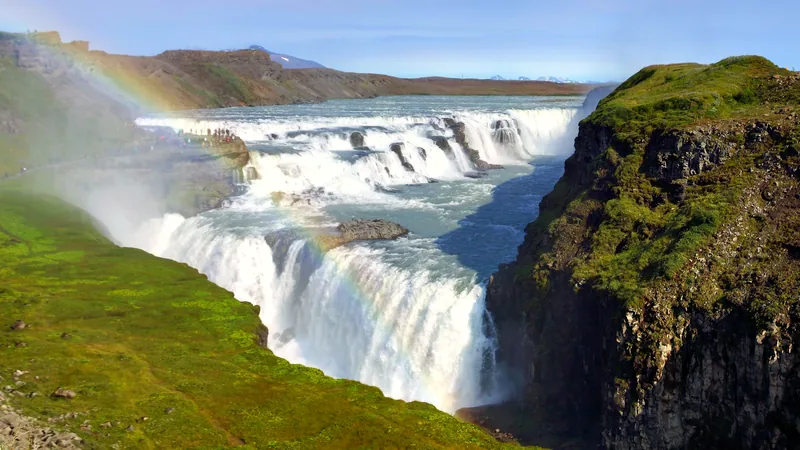
Glaciers, volcanoes and geothermal water have few equivalents anywhere, and the sights are close enough together that a short trip is genuinely worthwhile. The Golden Circle — a rift valley, a geyser and a waterfall — is a single day out from the capital.
Before you go
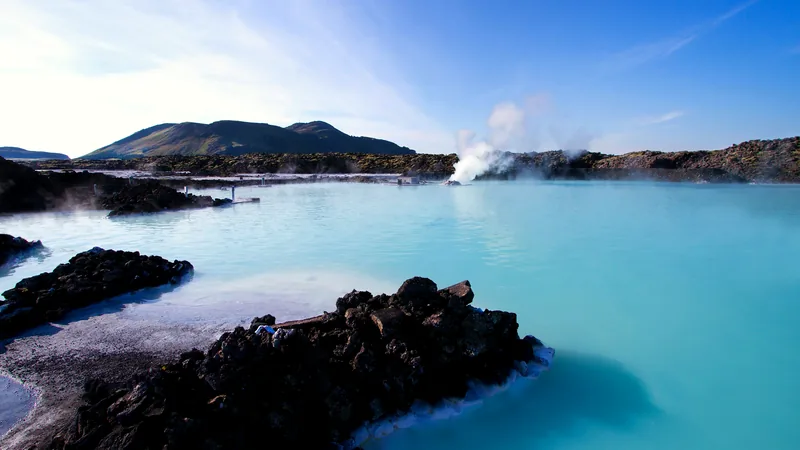
Iceland is in the Schengen area, so arrange a visa in advance if your passport requires one. September to March is the aurora season — it needs darkness and a clear sky, and neither is guaranteed on any given night, so allow several nights rather than one. June to August gives you the midnight sun and the hiking instead. Book the Blue Lagoon before you fly; it is timed-entry and it sells out.
Highlights
- The Blue Lagoon
- The Golden Circle: Þingvellir, Geysir and Gullfoss
- Aurora watching in winter
- Reykjavik harbour
Complete your trip
Two things worth sorting before you fly.
- Mobile data in IcelandAn eSIM you set up before you fly, so you are online the moment you land. Via Airalo.(opens in a new tab)
- Things to do in ReykjavikTours, attraction tickets and airport transfers, booked ahead. Via Klook, in English.(opens in a new tab)
Partner links: we may earn a commission, at no extra cost to you. Affiliate Disclosure
Read next
Amsterdam, Netherlands
Amsterdam's canal ring was dug in the seventeenth century, when the city was the centre of world trade and finance. It is now a UNESCO site, and it is still the reason the place works on foot.