Austria
Vienna
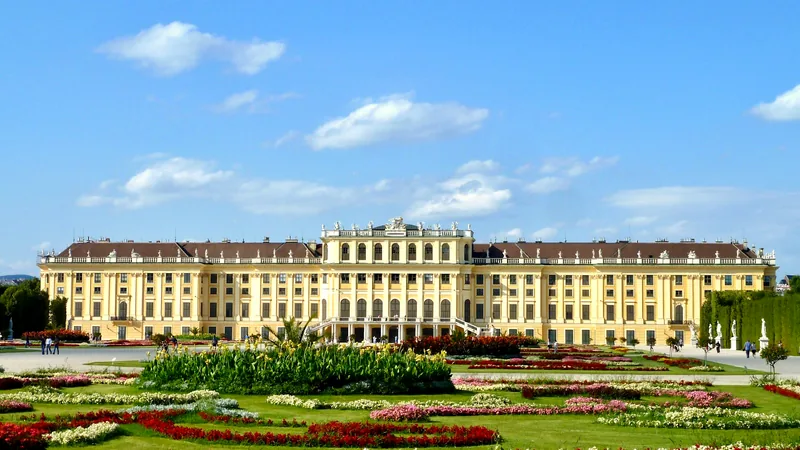
For six centuries Vienna was the seat of the Habsburgs, and the city was built to make that obvious. Schönbrunn alone has 1,441 rooms.
A short history
The Habsburgs were among the most powerful ruling families in Europe, and the scale of that power is still legible in Schönbrunn's rooms and the imperial apartments of the Hofburg. The city's coffeehouse culture — now on UNESCO's list of intangible heritage — took root in the late seventeenth century, and local legend ties its beginnings to sacks of coffee left behind after the Ottoman siege of 1683, one of the decisive encounters between the Ottoman and Habsburg empires.
Why travellers love it
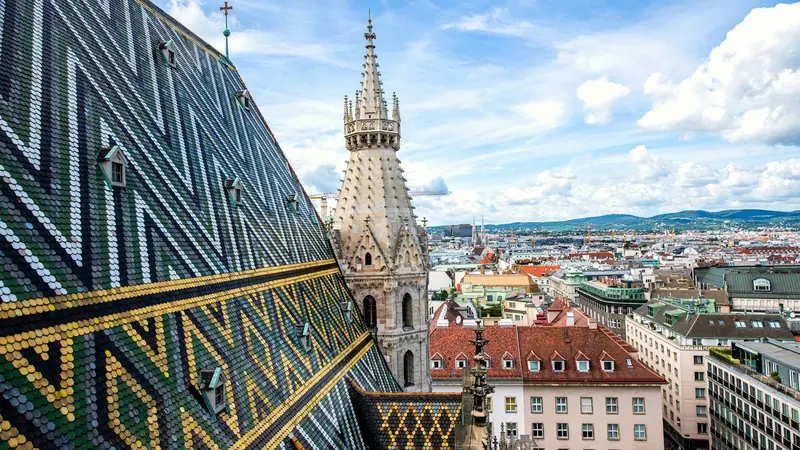
Vienna is consistently ranked among the most liveable cities in the world, and as a visitor that translates into things that simply work: clean transport, walkable distances, English spoken widely. It is a comfortable first step into Central Europe, with the museums and shopping to fill several days without a car.
Before you go
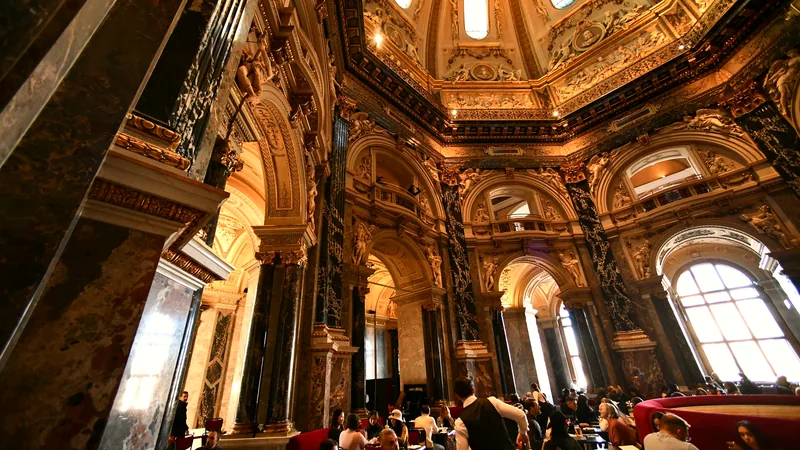
Austria is in the Schengen area, so arrange a visa in advance if your passport requires one. April to May and September to October are the mildest months. Buy a transport pass on arrival rather than single tickets, and treat one long afternoon in a traditional coffeehouse as an activity in itself — sitting for hours over one order is the custom, not an imposition on it.
Highlights
- Schönbrunn Palace and its gardens
- St Stephen's Cathedral
- The Belvedere and its gardens
- An afternoon in a historic coffeehouse
Complete your trip
Two things worth sorting before you fly.
- Mobile data in AustriaAn eSIM you set up before you fly, so you are online the moment you land. Via Airalo.(opens in a new tab)
- Things to do in ViennaTours, attraction tickets and airport transfers, booked ahead. Via Klook, in English.(opens in a new tab)
Partner links: we may earn a commission, at no extra cost to you. Affiliate Disclosure
Flights to Vienna
Read next
Prague, Czech Republic
Prague looks medieval because it is. It largely escaped the bombing that flattened other European capitals, so what stands there now is the original rather than a reconstruction.